

Why Air Conditioners Stop Cooling During Temecula Heat Waves (And What Homeowners Can Do)
TVCC Member Blog Post
Why Air Conditioners Stop Cooling During Temecula Heat Waves
When temperatures climb into the 90s and beyond, it’s not uncommon for homeowners to notice their AC not cooling as effectively as it should. In Temecula, where summer heat can settle in for days at a time, air conditioning systems are pushed harder than in many other parts of Southern California.
From newer homes in Morgan Hill to established neighborhoods like Redhawk and Meadowview, the same issue tends to surface every summer: systems that ran fine in spring suddenly struggle to keep up.
The reason usually isn’t just one thing - it’s a combination of heat, workload, and small issues that only show up under stress.


Temecula’s Climate Puts Extra Strain on AC Systems
Unlike coastal areas, Temecula experiences:
Higher daytime temperatures
Rapid heat buildup in attics and roofing systems
Dry air that carries dust and debris
During a heat wave, your air conditioner may run nearly nonstop. That continuous operation exposes weak points that otherwise go unnoticed.
A system that seems fine at 75° outside can start to fall behind quickly once temperatures pass 95°.

The Most Common Reasons AC Systems Stop Cooling
1. Restricted Airflow From Dirty Filters
One of the simplest and most overlooked issues is airflow restriction. When a filter becomes clogged, the system can’t move enough air across the coil to properly cool your home.
In Temecula’s dry conditions, filters often collect dust faster than expected, especially in homes near open land or construction.

2. Heat Buildup Around the Outdoor Unit
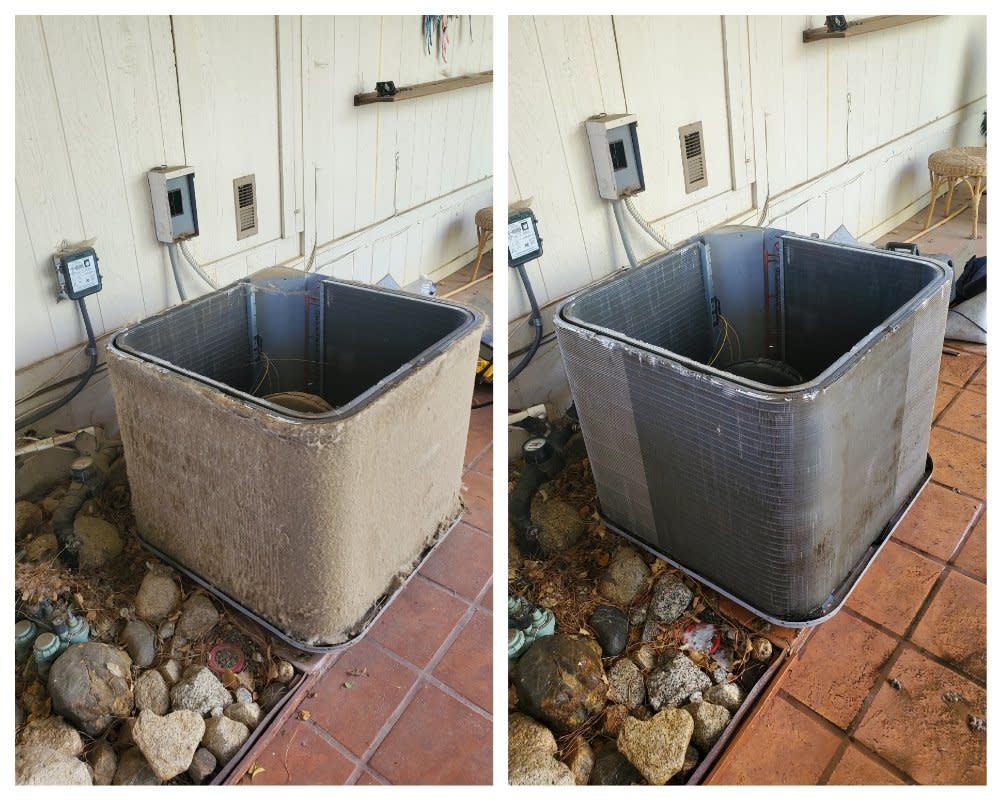
Your outdoor condenser is responsible for releasing heat from inside your home. When it’s coated in dirt or surrounded by debris, that heat has nowhere to go.
During extended hot weather, even a partially blocked coil can cause noticeable drops in cooling performance.

3. Low Refrigerant Levels

Refrigerant is what allows your air conditioner to absorb heat from inside your home and release it outdoors. When levels drop - most often due to a small leak - the system can’t remove heat effectively, even if everything else appears to be running normally.
This type of issue usually develops gradually. A system may seem to be cooling fine during milder weather, only to struggle once temperatures rise and demand increases. In many cases, refrigerant loss happens slowly over time, making it easy to miss until performance noticeably declines.
Common signs include:
Air from the vents feeling warmer than expected
Longer run times without reaching the set temperature
Ice forming on refrigerant lines or indoor coils
Because refrigerant operates within a sealed system, low levels typically indicate a leak that needs to be identified and corrected—not just refilled.

4. Electrical Components Under Stress
Capacitors and fan motors are especially vulnerable during high heat. When outdoor temperatures rise, these components work harder - and failures tend to happen quickly.
A failing capacitor, for example, may prevent the outdoor fan from running properly, trapping heat inside the system.

5. Thermostat or Control Issues
Sometimes the issue isn’t mechanical at all. Incorrect settings, sensor placement, or calibration issues can cause the system to behave as though it’s cooling when it isn’t.

Why These Problems Show Up All at Once
Many of these issues develop gradually but only become noticeable during peak demand.
Think of it like a car that drives fine around town but overheats on a steep grade. The added strain exposes underlying inefficiencies.
In Temecula, that “steep grade” is a stretch of 100° days.

What Homeowners Can Check Before Calling for Service
There are a few simple things worth checking that don’t require tools or technical experience:
Replace or inspect your air filter
Make sure the outdoor unit is clear of debris
Confirm thermostat settings and batteries
Check that supply vents are open and unobstructed
If these don’t resolve the issue, it’s likely something internal that requires further diagnosis to identify underlying system issues.

Why Small Issues Turn Into Big Breakdowns
One of the biggest misconceptions is that systems fail suddenly.
In reality, most breakdowns are the result of smaller problems that go unnoticed:
Restricted airflow can lead to coil freezing
Weak electrical components can cause overheating
Low refrigerant can strain the compressor
Regular maintenance is designed to catch these issues early - before they escalate.
Many of these issues - like airflow restriction, weak electrical components, or early refrigerant loss - are typically identified during routine system inspections before they lead to noticeable cooling problems. Homeowners who stay ahead of these issues through regular maintenance tend to see fewer breakdowns during peak summer conditions.
Why Preventive Maintenance Matters More in Inland Areas
In regions like Temecula, where cooling systems carry a heavy seasonal load, routine maintenance lays a bigger role than many expect.
Regular inspections can identify:
Weak electrical components
Early refrigerant issues
Airflow restrictions
These are the kinds of problems that rarely show symptoms until the hottest week of the year - when service demand is also at its highest.

A Pattern Many Temecula Homeowners Recognize
Every summer, the same pattern repeats:
First heat wave hits
Systems run longer than usual
Minor issues turn into noticeable problems
Understanding why this happens gives homeowners an advantage. It allows them to respond early, make small corrections, and avoid larger disruptions when temperatures peak.